Proprietary Blends, Explained: What A Shared Total Tells You
A proprietary blend lists ingredients by name but reports only one combined weight for all of them together, which sounds precise but actually discloses very little about any single ingredient.
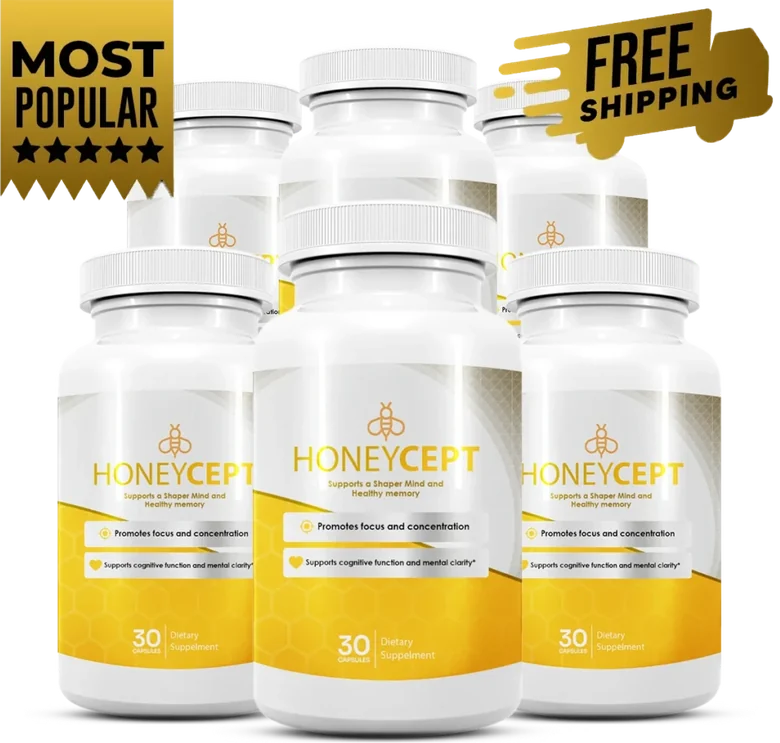
Understanding this labelling practice is essential for judging any supplement, including Honeycept, that uses it.
How proprietary blend labelling works
US supplement labels are legally allowed to group multiple ingredients under one "proprietary blend" line, listing the ingredients in descending order by amount and reporting only the combined weight. This is legal and common, but it means the label does not have to disclose how much of that total belongs to any single ingredient.
Why 151 mg sounds more informative than it is
A specific number like 151 mg creates an impression of precision and transparency. But split across seven ingredients, the average per-ingredient amount would be roughly 21.6 mg — and because blends are listed in descending order, the compounds named last could be present in genuinely trace amounts, well below what research studies typically use.
Why this matters more for some ingredients than others
What responsible transparency looks like
Fully disclosed labels state a specific milligram amount next to each ingredient individually, the way B-vitamins are commonly labelled. When a brand discloses some ingredients individually (as Honeycept does for its three B-vitamins) but bundles others into a blend, that selective disclosure is itself informative — it suggests the brand is capable of individual disclosure but has chosen not to for the remaining ingredients.
What you can reasonably conclude, and what you cannot
You can reasonably conclude that all seven blend ingredients are present in some amount, since ingredient lists on legitimate labels are not supposed to include compounds absent from the product. You cannot reasonably conclude that any specific ingredient is present at a clinically meaningful dose without further information from the manufacturer.
Applying this to Honeycept
Honeycept's proprietary blend follows this exact pattern: three B-vitamins individually dosed, seven other compounds — including caffeine and Huperzine-A — sharing one 151 mg total. If per-ingredient dosing matters to your decision, that information is not available from the label alone, and is worth asking the manufacturer directly.